Inland Ash Scattering vs Sea Burial: A Practical Comparison for Families
Compare inland ash scattering and sea burial in Singapore, including coordination, cost, having a place to return to, and the rules families need to know.
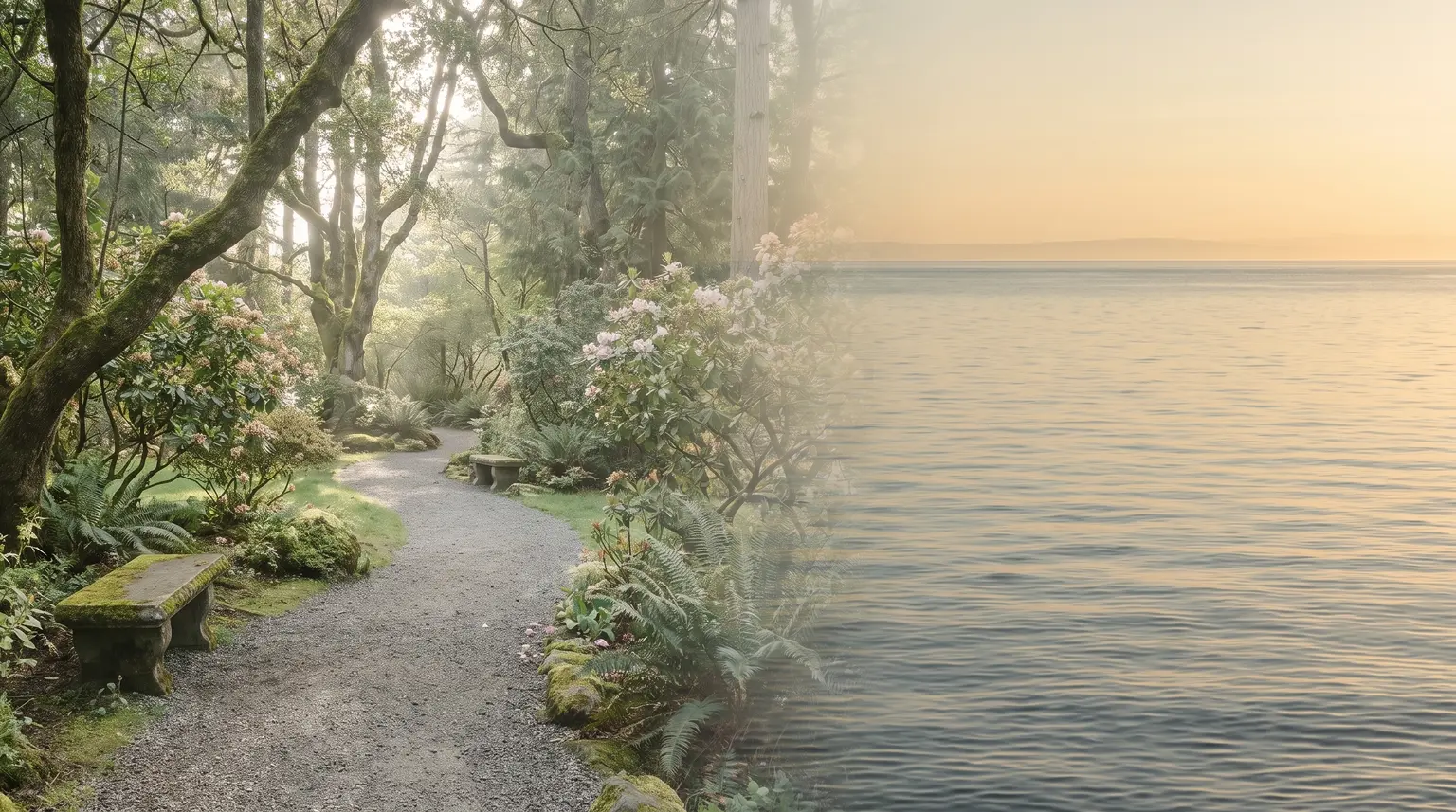
Families who decide against a columbarium niche, or who feel their loved one would have preferred to return to nature, usually come down to two choices in Singapore: scattering the ashes at one of the designated inland gardens, or a sea burial off the southern coast.
Both are legal, both are handled through recognised processes, and both are meaningfully different in ways that are not always obvious until you look closely. This guide sets them side by side.
If you have not yet confirmed where scattering is actually permitted, start here: Can Ashes Be Scattered Anywhere? What the Rules Actually Allow
Quick Answer
Both inland scattering and sea burial are permitted in Singapore, but only at designated locations. Inland scattering, at the Garden of Peace or Garden of Serenity, tends to be simpler to coordinate, is not affected by weather, and leaves families with a physical place to return to. Sea burial, carried out at the designated area south of Singapore, appeals to families drawn to the sea, but depends on suitable weather and leaves no fixed spot to revisit. Neither can be reversed once done.
Inland Scattering vs Sea Burial: Quick Comparison
| Factor | Inland Ash Scattering | Sea Burial |
|---|---|---|
| Where | Garden of Peace (Choa Chu Kang) or Garden of Serenity (Mandai North) | Designated area south of Singapore, near Pulau Semakau |
| Coordination | Straightforward, land-based | Requires booking a boat and crew |
| Weather | Unaffected | Can be postponed in adverse sea conditions |
| A place to return to | Yes, a dedicated garden to revisit | No fixed location to return to |
| Reversibility | Irreversible | Irreversible |
| Cost | Generally lower | Higher, due to the boat charter |
| Atmosphere | Quiet, landscaped garden setting | Open sea, a send-off on the water |
| Common choice | The more commonly chosen of the two | Chosen by families with a connection to the sea |
A Development Worth Watching
In October 2026, NEA announced a pilot for a weekly ferry service dedicated to sea ash scattering, departing from Pasir Panjang Ferry Terminal. The pilot is expected to begin in the second half of 2027, with an application fee of S$50, a marked contrast to the cost of chartering a private boat and crew. Booking procedures and the designated scattering site for the pilot have not yet been announced.
This changes nothing for families deciding now. But if your timeline has flexibility into 2027, it is worth checking whether the pilot has launched before committing to a private charter, since the cost difference could be significant.
How Families Actually Choose
In practice, inland scattering is chosen more often than sea burial. Part of that is simple logistics. Inland scattering is easier to arrange and does not hinge on the weather. A sea burial can be postponed when conditions at sea are poor, which is not something a grieving family wants to manage on top of everything else.
The other reason comes up again and again in conversation: inland scattering gives you somewhere to go. Even though the ashes are scattered rather than stored, the garden remains a place the family can return to, sit with their thoughts, and feel some sense of connection. For many families, that matters more than they expected it to when they first considered scattering.
Sea burial tends to be chosen by families where the person had a genuine bond with the sea, or where the openness of a send-off on the water feels right. It is a deliberate choice rather than a default one.
What Families Often Get Wrong
Two misconceptions come up often, one for each option.
On inland scattering: Some families believe that scattering ashes at the base of plants or trees somehow nourishes them, that the ashes feed the greenery. This is not how it works. Cremated remains are largely inert mineral content and do not act as fertiliser. If the appeal of inland scattering is the idea of "giving back to nature" in a literal, nutritional sense, it is worth understanding what actually happens rather than choosing based on a comforting but inaccurate picture.
On sea burial: Some people assume it is acceptable to scatter ashes informally, just off a beach or along the coastline, without going through the designated process. It is not. Scattering ashes anywhere other than the approved locations is treated under Singapore law as improper disposal in a public place. Under the Environmental Public Health Act, depositing ash in a public place falls under littering provisions, which carry fines of up to several thousand dollars for a first offence, and larger-scale improper disposal can attract substantially higher penalties. The designated sea burial area exists precisely so that families can carry out a sea send-off lawfully. It is not worth the risk of doing it any other way.
The Trade-Off Each Option Carries
The hardest thing to weigh with either choice is what it leaves behind, or does not.
Sea burial is final in a way families sometimes underestimate. Once it is done, there is no location to visit, no marker, no fixed point to return to on an anniversary or a difficult day. For some families the openness of that is exactly the point. For others, the absence of a place to go becomes more significant with time than they anticipated. It is worth sitting with that question honestly before deciding, because it cannot be undone.
Inland scattering is also irreversible, but retains a place. The garden remains. Even without a niche or a marker, there is a defined space the family associates with their loved one and can return to. That difference, having somewhere versus nowhere, is often the deciding factor once families think it through rather than deciding quickly.
Key Questions to Help You Decide
Does having a place to return to matter to you? This is the single biggest practical difference between the two. If a physical space to revisit matters, inland scattering keeps that; sea burial does not.
How much does certainty of timing matter? Inland scattering happens on schedule. Sea burial is subject to weather and can be postponed. For families coordinating relatives or working to a timeline, that is worth factoring in.
Was there a genuine connection to the sea? Sea burial makes the most sense when it reflects something true about the person, rather than being chosen for simplicity. If the connection is not there, inland scattering is usually the more grounded choice.
Has the whole family talked it through? Both options are irreversible. It is worth making sure everyone who needs to be comfortable with the decision has had the chance to be, before it is carried out.
Related Guides
- Can Ashes Be Scattered Anywhere? What the Rules Actually Allow
- Ash Scattering or a Columbarium Niche: What to Consider Before Deciding
- Can Ashes Be Kept at Home in Singapore?
- Singapore Columbarium Guide
Final Thoughts
Inland scattering and sea burial are both dignified, lawful ways to return a loved one to nature in Singapore. The choice between them usually comes down to two things: whether the family wants a place to return to, and whether there was a real connection to the sea worth honouring.
Whichever way a family leans, the most important step is understanding what each option actually involves, and talking it through together before anything is carried out. These are decisions that cannot be walked back, and the families who navigate them best are the ones who took the time to understand them fully first.