Why Funeral Decisions Often Feel Rushed (And How to Avoid It)
Understand why funeral decisions in Singapore often feel rushed, emotionally overwhelming, and difficult — and what families can do to reduce pressure before a crisis happens.
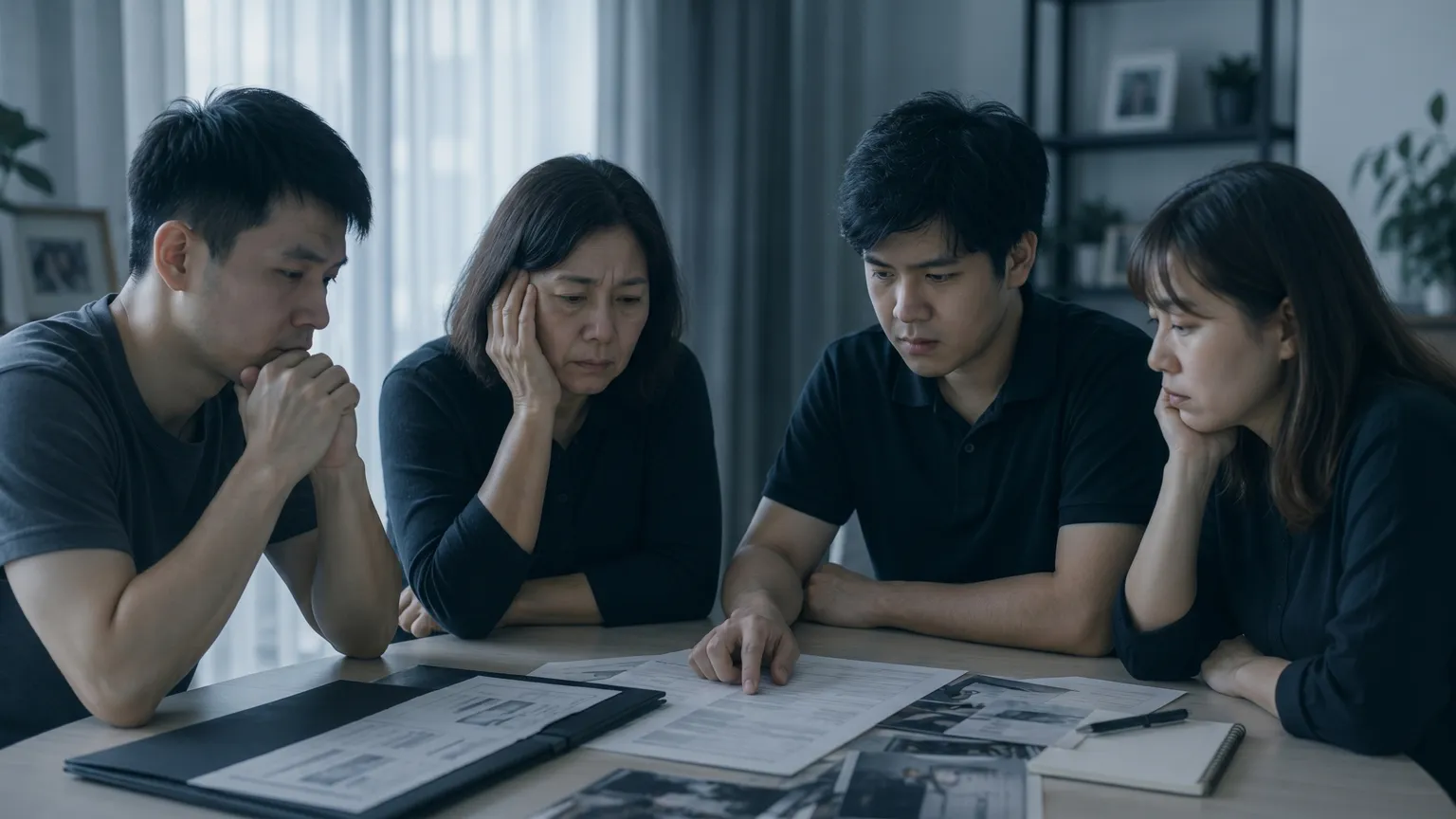
Many families are surprised by how quickly funeral decisions need to be made after a passing.
In Singapore, arrangements often begin within hours.
Families may suddenly need to coordinate practical arrangements while also coping with shock, grief, and emotional exhaustion:
- Funeral services
- Religious requirements
- Wake arrangements
- Cremation timing
- Ash collection
- Columbarium or ash scattering decisions
- Financial matters
- Communication with relatives
All of this usually happens during one of the most emotionally difficult periods a family may experience.
As a result, many people later describe the process as feeling rushed, overwhelming, and mentally exhausting.
This article explores why funeral decisions often feel this way — and how families can reduce unnecessary pressure through earlier conversations and preparation.
Most Families Are Making Important Decisions for the First Time
One major reason funeral arrangements feel rushed is simple:
Most people have never had to do this before.
Families are suddenly expected to make decisions involving:
- Religious practices
- Funeral structure
- Budget planning
- Venue coordination
- Final resting arrangements
Yet very few people fully understand these processes beforehand.
Without prior exposure, everything can feel unfamiliar and urgent at the same time.
If you are currently trying to understand the overall process more clearly, you may also find this helpful:
- 👉 Coordinating Funeral Arrangements in Singapore
- 👉 What Families Do Immediately After Death in Singapore
Emotional Stress Makes Decision-Making Harder
Funeral planning rarely happens under calm conditions.
Families are often simultaneously dealing with:
- Shock
- Grief
- Fatigue
- Family expectations
- Time pressure
Even relatively straightforward decisions may suddenly feel emotionally heavy.
Questions such as:
- “Would they have wanted cremation?”
- “Should we hold a longer wake?”
- “What would other relatives expect?”
can become surprisingly difficult during emotional distress.
This is one reason many families later say they wish certain conversations had happened earlier.
You may also wish to explore:
Time Pressure Is Real in Singapore
In Singapore, funeral arrangements often move quickly due to practical and scheduling considerations.
Families may need to:
- Coordinate collection procedures
- Secure funeral arrangements quickly
- Confirm cremation scheduling
- Organise religious rites
- Inform extended relatives
Because timelines move quickly, families sometimes feel they have very little space to process information calmly.
This does not mean decisions are impossible.
However, without prior preparation, families often feel forced into reactive decision-making.
Too Many Decisions Suddenly Appear at Once
Many people underestimate how many separate decisions are involved.
Families may suddenly need to decide:
- Religious or non-religious format
- Wake duration
- Funeral budget
- Clothing and ceremonial items
- Cremation or burial
- Ash scattering or columbarium placement
- Long-term memorial preferences
Individually, each decision may seem manageable.
But when everything appears simultaneously, the combined mental load can feel overwhelming.
If you are comparing longer-term arrangements, you may also wish to explore:
Families Often Fear Making the “Wrong” Decision
Another reason funeral planning feels rushed is fear.
Many families worry:
- “Are we doing the right thing?”
- “Would they have wanted this?”
- “Will relatives disagree?”
- “Are we overspending?”
- “Are we missing something important?”
Without clear guidance from the person who passed away, uncertainty can create additional emotional pressure.
This is especially common when family members have different expectations or religious perspectives.
Earlier conversations do not remove grief — but they often reduce uncertainty significantly.
Why Earlier Conversations Matter
Funeral pre-planning is not about expecting the worst.
In many cases, it simply means:
- Understanding available options
- Clarifying preferences
- Discussing budget expectations
- Organising important information
- Reducing uncertainty for loved ones
Even small discussions ahead of time can make future decisions feel calmer and more manageable.
Families who prepare earlier often report:
- Less confusion
- Better communication
- Reduced emotional tension
- Greater confidence in decisions
You may also find these resources helpful:
Planning Ahead Does Not Mean Deciding Everything Immediately
A common misconception is that funeral planning requires making permanent commitments immediately.
In reality, many families begin simply by learning.
This may include:
- Understanding funeral service options
- Comparing arrangements calmly
- Learning typical cost structures
- Discussing preferences openly
The goal is not to control every detail.
The goal is to reduce pressure later when emotions are already heavy.
Related Guides
- Funeral Pre-Planning Singapore
- What Families Regret Not Preparing Before a Death
- What Families Do Immediately After Death in Singapore
- Columbarium Singapore Guide
Final Thoughts
Funeral decisions often feel rushed because families are required to make unfamiliar, emotional, and time-sensitive decisions all at once.
The pressure itself is normal.
However, much of the confusion and uncertainty can often be reduced through earlier conversations and better understanding before a crisis occurs.
Planning ahead is not about removing emotion from the process.
It is about creating enough clarity so families can focus more on supporting one another, rather than struggling through uncertainty during difficult moments.