Living Funerals in Singapore: What a Pre-Death Farewell Ceremony Actually Involves
A living funeral lets you attend your own farewell while still alive. Here is what the ceremony involves in Singapore, who it suits, and what it does not replace.
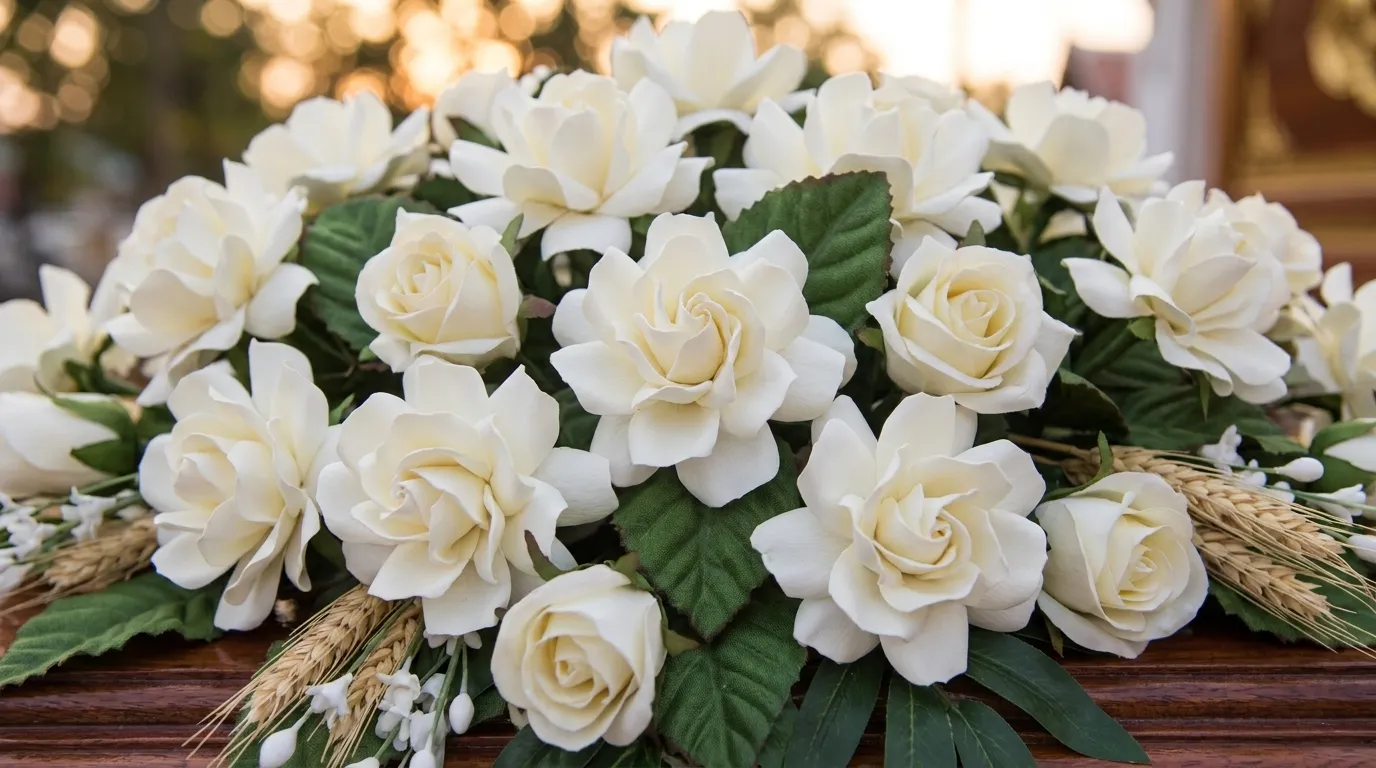
In July 2026, Singapore actress Abigail Chay, 67, held what has been described as the first Afterlife Farewell Ceremony of its kind here, a farewell held while she was very much alive, with friends delivering eulogies to her face rather than over a coffin.
The coverage focused on the emotion of it, which is understandable. But it left a practical question mostly unanswered: what is a living funeral, actually? Who is it for, what does it involve, and the part that matters most — what does it not do?
This guide answers that plainly.
Quick Answer
A living funeral is a farewell ceremony held while the person is still alive, so they can hear the eulogies and see who turns up. It is an emotional and social event, not a legal or logistical one. It does not arrange your funeral, secure a niche, or record your wishes in any binding way. Families who hold one still need to do the practical pre-planning separately. It suits people who want to say goodbye consciously; it does not suit people who are uncomfortable being the centre of attention, and it is not a requirement for planning ahead.
What a Living Funeral Is
A living funeral, also called a pre-death farewell ceremony, borrows the structure of a memorial service and moves it forward in time.
The person is present. Eulogies are read to them, not about them. They typically choose the flowers, the music, the colour palette, and the guest list themselves. In Ms Chay's ceremony, longtime friends from the entertainment industry spoke, and she responded — which is not something a conventional funeral allows.
The format is not new globally. It has a long history in Japan (seizenso) and appears periodically in Taiwan and Hong Kong. What was new in Singapore was the visibility: a public figure doing it openly, and framing it as a nudge toward talking about death rather than avoiding it.
What a Living Funeral Is Not
This is the part most coverage skips, and it's the part that costs families later.
| A living funeral does | A living funeral does not |
|---|---|
| Let you hear what people would have said | Arrange or pay for your actual funeral |
| Give you a say in your own farewell's tone | Secure a columbarium niche or burial plot |
| Open a family conversation about death | Record your wishes in any legally recognised form |
| Provide closure while you can still feel it | Remove any decision from your family's hands |
| Serve as a public statement about planning ahead | Replace a will, LPA, or CPF nomination |
A living funeral is a ceremony. Funeral pre-planning is arrangements. They are frequently confused, and the confusion is convenient for nobody.
If you hold a living funeral and do nothing else, your family will still be standing in a funeral parlour at 2am making the same decisions they would have made anyway, only now they will be doing it with the memory of a beautiful evening that solved none of it.
The arrangements side is covered separately in the Funeral Planning Guide.
Who a Living Funeral Suits
In my experience, the format lands well for a fairly specific group of people:
- Those facing a terminal diagnosis, where the timeline is known and there is a real window to gather people
- Those with a clear social circle — the ceremony depends on people turning up, and the emotional weight comes from who speaks
- Those comfortable being the subject of attention, including attention that is loving but overwhelming
- Those who want to model the conversation for a family that has been avoiding it
Ms Chay's own framing was that only when you can deal with death do you know how to live properly. That's a coherent reason to hold one, and it doesn't require anyone else's approval.
Who It Doesn't Suit
Just as honestly:
- People who find the attention unbearable. A living funeral is several hours of being the emotional centre of a room. Not everyone wants that, and not wanting it is not avoidance.
- Families already in conflict. The ceremony amplifies whatever dynamic exists. It does not repair it.
- Anyone hoping it substitutes for the paperwork. It doesn't, and treating it as a box ticked is the worst outcome of all.
- People with no strong feelings about it. There is no obligation here. Quietly making your arrangements and telling your family where the documents are is a complete and sufficient plan.
What to Think Through Before Holding One
Who is this actually for — you, or them? Both are valid answers. But they lead to different ceremonies. A farewell built for the guest of honour looks different from one built to give a family permission to grieve early.
What happens the day after? A living funeral has no natural conclusion. Life continues, sometimes for years. Some families find the follow-on period awkward in ways they didn't anticipate. It's worth naming that in advance rather than discovering it.
Have the practical arrangements been made? If not, do those first. The ceremony is the easier part. The Funeral Planning Guide and the Singapore Columbarium Guide cover what needs to actually exist on paper.
Is a smaller version enough? Not every living farewell needs to be an event. A meal, a letter read aloud, a recorded message, the same function, at a fraction of the emotional and financial cost. The format scales down further than most people assume.
Notes From Practice
The families I sit with rarely open with a question about ceremonies. They open with a question about money, or about a niche, or about what their elderlies would have wanted and they are usually asking it too late, in a room where someone is already gone.
What struck me about the Abigail Chay's ceremony was not the flowers. It was that a 67-year-old woman with a public profile chose to make the conversation ordinary. That is genuinely useful, and it is worth more to Singapore families than any single service anyone sells.
A ceremony like this gives you something no one else can arrange for you: the chance to hear it while you're still here. What it doesn't do is spare your family the quieter work, the niche, the documents, the conversation about where things are kept. That work is less beautiful, but it's the part they'll feel most in the weeks after. If both are possible, both are worth having.
Related Guides
- Funeral Planning Guide
- Singapore Columbarium Guide
- How to Choose a Columbarium Niche in Singapore
- Public vs Private Columbarium in Singapore
Final Thoughts
A living funeral is a good idea for some people and an unnecessary one for others, and both of those are fine. What it should not be is a way to feel prepared without being prepared.
If Abigail Chay's ceremony does one thing for Singapore, I hope it's this: it makes the topic sayable at a dinner table. That's the hard part. Everything after it: the niche, the arrangements, the wishes written down — is just admin, and admin is what I'm here for.