Columbarium vs Keeping Ashes at Home in Singapore
Compare columbarium placement and keeping ashes at home in Singapore, including cost, permanence, and family considerations, to help you decide what fits best.
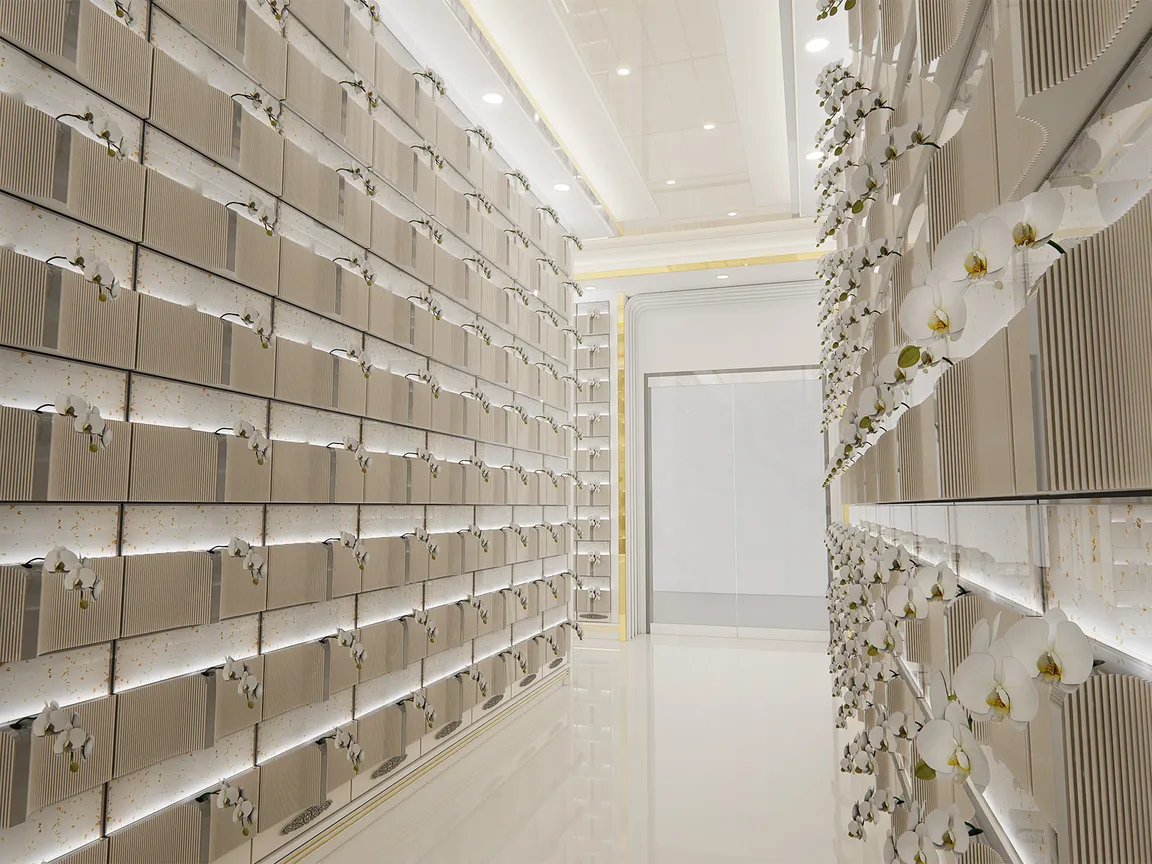
After cremation, most families in Singapore settle on one of two paths: placing the urn in a columbarium, or keeping it at home. Both are legally permitted, so the decision usually comes down to what fits the family's circumstances, not what the law requires.
This guide compares the two options directly, so families weighing both can see the trade-offs side by side rather than researching each option separately.
If you haven't yet confirmed the legal position on home placement, you may want to start here: Can Ashes Be Kept at Home in Singapore?
Quick Answer
Both options are legal in Singapore — there is no law requiring ashes to be placed in a columbarium. Keeping ashes at home tends to suit families who want closeness in the earlier stages of grieving, or who need time to decide. Columbarium placement tends to suit families who want a permanent, structured space that doesn't depend on one household or one generation to maintain it.
Columbarium vs Keeping Ashes at Home: Quick Comparison
| Factor | Columbarium | Keeping Ashes at Home |
|---|---|---|
| Legal status | Permitted | Permitted, no law prohibits it |
| Permanence | Fixed, purpose-built resting place | Depends on household continuity |
| Upfront cost | Niche purchase and related fees | Minimal to none |
| Ongoing responsibility | Managed by the facility | Falls on the family, indefinitely |
| Visitation | Dedicated space for relatives to visit | Limited to those with home access |
| Household disruption | None | Urn moves if the family relocates |
| Multi-generational continuity | Facility maintains the space long-term | Depends on future generations agreeing to continue |
| Typical use case | Long-term, permanent arrangement | Temporary arrangement, or a considered personal choice |
The table simplifies the decision, but most families find the harder questions sit underneath it — which the sections below cover.
When Keeping Ashes at Home Makes Sense
Keeping the urn at home tends to work well when a family wants closeness during the earlier stages of grieving, or needs time before committing to a columbarium.
It's often chosen as a temporary arrangement — while a family decides on a niche, waits for availability, or discusses long-term plans together — rather than a permanent one. For the full breakdown of reasons families choose this option and what to think through before deciding, see Can Ashes Be Kept at Home in Singapore?
When Columbarium Placement Makes Sense
Columbarium placement tends to suit families looking for a permanent, dedicated space that doesn't rely on any one household to maintain it.
It also tends to be the more practical choice when:
- Extended family or multiple households want easy, shared access for visits
- The family anticipates moving house in future
- Cultural or religious expectations call for a formal resting place
- The family prefers the arrangement to be managed by a facility rather than passed down informally
Families exploring this route can start with the Singapore Columbarium Guide, or compare facility types in Public vs Private Columbarium in Singapore.
Key Questions to Help You Decide
Rather than treating this as a single decision, it helps to work through it as a few smaller questions:
Is this meant to be temporary or permanent? A short-term home placement while deciding on a niche is a very different commitment from an open-ended one.
Who else needs to be comfortable with the arrangement? Not everyone in a household shares the same view on keeping an urn at home. This is worth raising directly rather than assuming agreement.
Who takes over if circumstances change? Moving house, multi-generational households, and family members with differing wishes are common reasons families revisit a home arrangement later. A columbarium removes this uncertainty by design.
Does the household have a stable, respectful space for it? Space constraints are common in Singapore homes, particularly shared or multi-generational ones. If a suitable space isn't available or isn't likely to remain available, that alone often settles the decision.
Making a Decision That Lasts
There's no universally correct answer between the two — only what's sustainable for a specific family, given their space, household dynamics, and how the arrangement needs to hold up over decades rather than months.
If you're still early in the decision, it's worth reading both sides in full before committing: the practical and cultural considerations of home placement in Can Ashes Be Kept at Home in Singapore?, and how to narrow down a columbarium option in How to Choose a Columbarium Niche in Singapore.
Related Guides
- Can Ashes Be Kept at Home in Singapore?
- Singapore Columbarium Guide
- Public vs Private Columbarium in Singapore
- How to Choose a Columbarium Niche in Singapore
Final Thoughts
Both keeping ashes at home and columbarium placement are legally and culturally accepted paths in Singapore. The right choice depends less on which option is more "proper" and more on whether the arrangement can hold up over time — across house moves, family disagreements, and generations who may feel differently about it than the ones making the decision today.
Talking it through as a family, before the arrangement is treated as settled, is usually what makes the difference between a decision that lasts and one that gets revisited under pressure later.